Powering the Future of Thermal Management! High-Torque, Multi-Spindle CNC Solutions for Aluminum and Copper MCPCBs.
MCPCB Drilling & Routing CNC: Technology & Application Snapshot
- Core Technology: Heavy-duty multi-spindle architecture equipped with 4KW / 5.3HP high-torque motors.
- Primary Advantage: Delivers burr-free routing and high-speed micro-drilling on tough metal substrates without premature tool wear.
- Key Applications: EV power modules, 5G base station heat sinks, LED lighting MCPCBs, and IGBT cooling plates.
- Process Focus: Single-setup deep drilling, rigid contour routing, and precision tapping for metal-core thermal components.
As the Electric Vehicle (EV) and 5G telecommunication industries rapidly expand, the demand for efficient thermal management is at an all-time high. The SFY MRD Series MCPCB Drilling and Routing CNC is specifically engineered to overcome the challenges of machining thick aluminum and heavy copper substrates. Unlike standard routers, the MRD series combines massive structural rigidity with high-torque cutting power, ensuring that manufacturers can achieve exponential production volumes while maintaining strict dimensional tolerances.
Core Advantages: Built for Tough Metals and High Volumes
To process metal-core printed circuit boards profitably, equipment must strike a perfect balance between spindle speed and cutting torque:
High-Torque ISO25 Spindles
Powered by robust 4KW (5.3HP) motors reaching 30,000 RPM. This rigid ISO25 taper configuration provides the exact torque required to mill solid aluminum and copper without chatter, ensuring extended tool life and pristine edge finishes.
Multi-Spindle Scalability
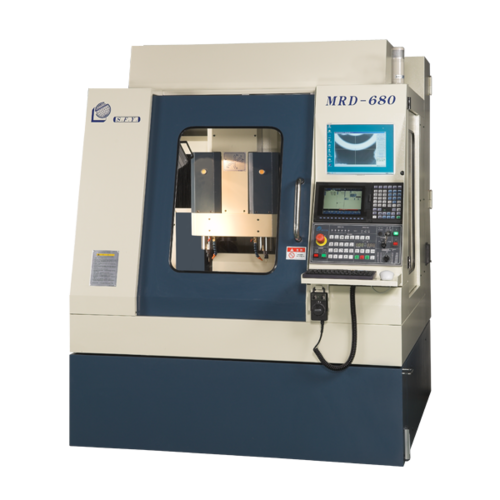
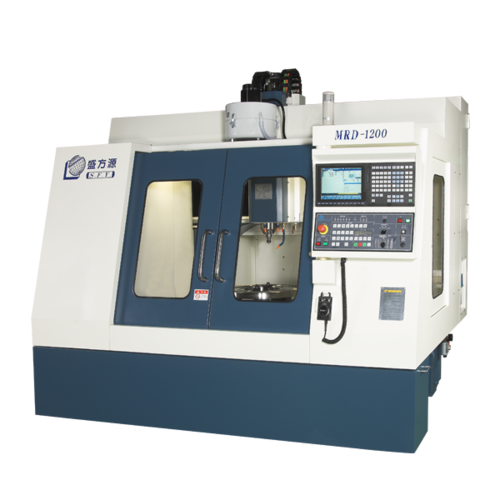
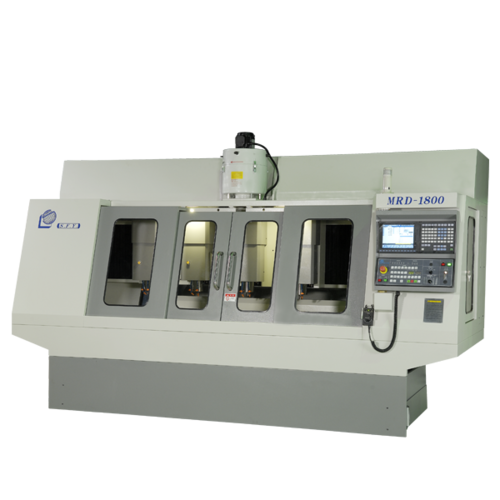
Multiply your output instantly. The MRD lineup offers immense flexibility, ranging from the single-spindle MRD-680 for specialized runs, up to the highly productive MRD-1800(4) featuring 4 simultaneous spindles for massive batch production.
Independent ATC Systems
Efficiency without compromise. In our multi-spindle models, every single spindle is equipped with its own Automatic Tool Changer (accommodating 4 to 6 tools per spindle), allowing for complex drilling, routing, and tapping in one continuous cycle.
Exclusive Applications: Driving the Next Generation of Tech
The MRD series is the premier manufacturing platform for sectors that demand absolute reliability in thermal dissipation:
- EV & Automotive Power Modules: High-efficiency routing of aluminum substrates and copper base plates used in Electric Vehicle onboard chargers, inverters, and battery management systems.
- 5G & Telecom Infrastructure: Precision drilling and contouring of massive MIMO antenna heat sinks, ensuring optimal signal stability through superior thermal management.
- High-Power LED & Industrial Electronics: Rapid mass production of MCPCBs for commercial LED lighting, power supplies, and IGBT cooling modules.
Frequently Asked Questions on MCPCB Machining
Why use the dedicated MRD series instead of a standard PCB router?
Standard PCB routers are designed for cutting fiberglass (FR4) and lack the rigidity to handle solid metals. The MRD series is built specifically for MCPCBs. It utilizes a heavy-duty frame and a powerful 4KW (5.3HP) ISO25 spindle, providing the massive torque needed to efficiently drill and route thick aluminum and copper without stalling or breaking tools.
How does the ATC work on the multi-spindle models like the MRD-1800(4)?
To ensure maximum throughput, each of the 4 spindles on the MRD-1800(4) is equipped with its own dedicated 6-tool Automatic Tool Changer (ATC). This means all spindles perform tool changes simultaneously, ensuring zero bottlenecks during complex, multi-step machining operations.
Can this machine handle both drilling and tapping on metal substrates?
Yes. The integration of 30,000 RPM high-speed capabilities with robust 4KW torque allows the machine to perform ultra-fast micro-drilling for vias, aggressive contour routing for the PCB shape, and precise tapping for mounting holes—all within a single setup.